Brooklyn Sidewalk Violations 2026: Costs, Repairs & DOT Guide
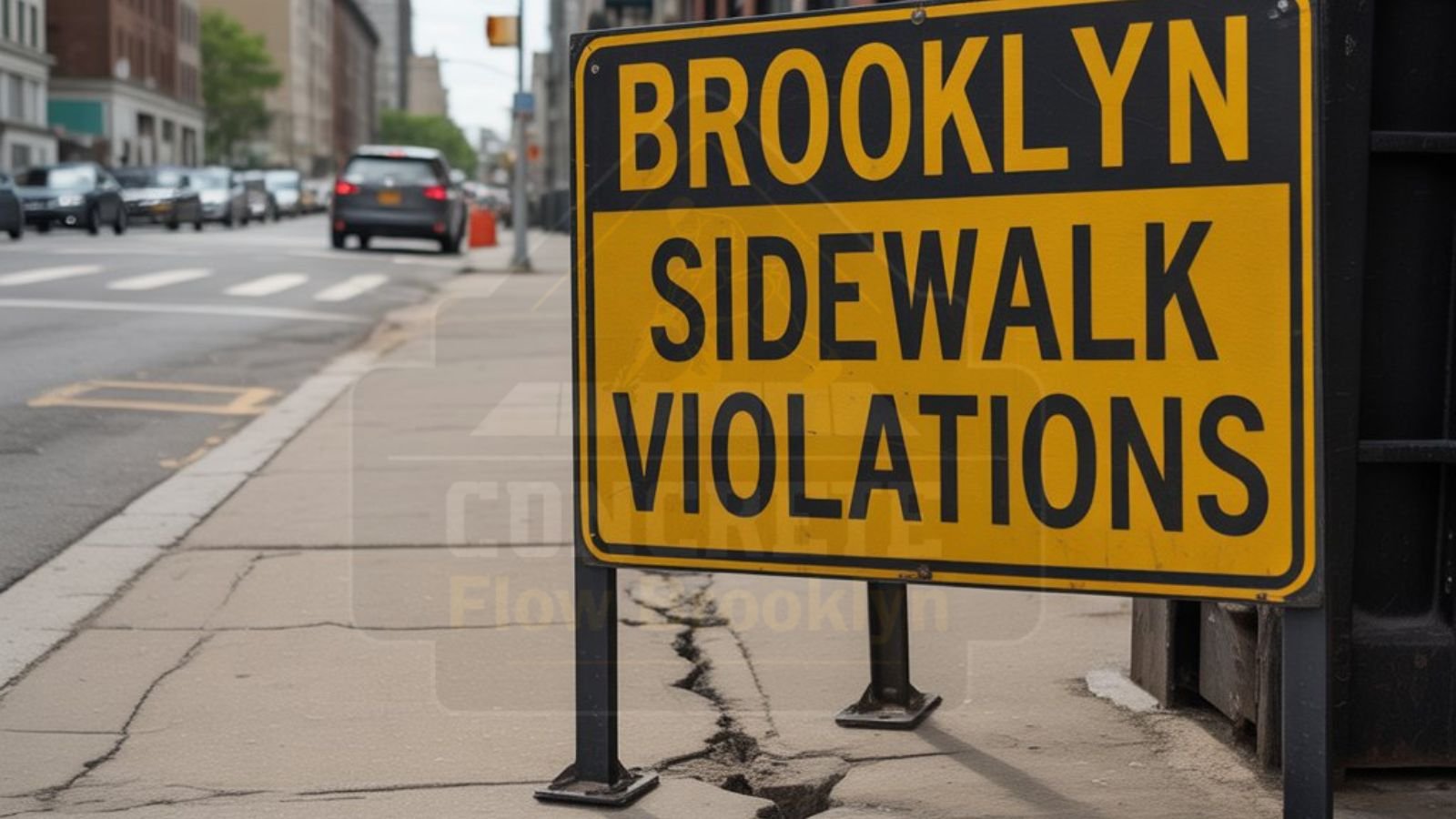
Dealing with Brooklyn sidewalk violations in 2026 is a crucial responsibility for property owners. The Department of Transportation (DOT) enforces strict rules, and ignoring sidewalk cracks, uneven surfaces, or tripping hazards can result in substantial violation fines. Knowing how to search for Brooklyn sidewalk violations and understand DOT violation notices is essential for staying compliant. Timely sidewalk maintenance and professional sidewalk replacement services not only protect pedestrian safety but also prevent escalating costs. From concrete sidewalk repair to violation removal procedures, this guide helps Brooklyn property owners navigate the process efficiently, estimate sidewalk repair costs, and maintain safe, durable sidewalks throughout the borough.
What Is a Sidewalk Violation in Brooklyn?
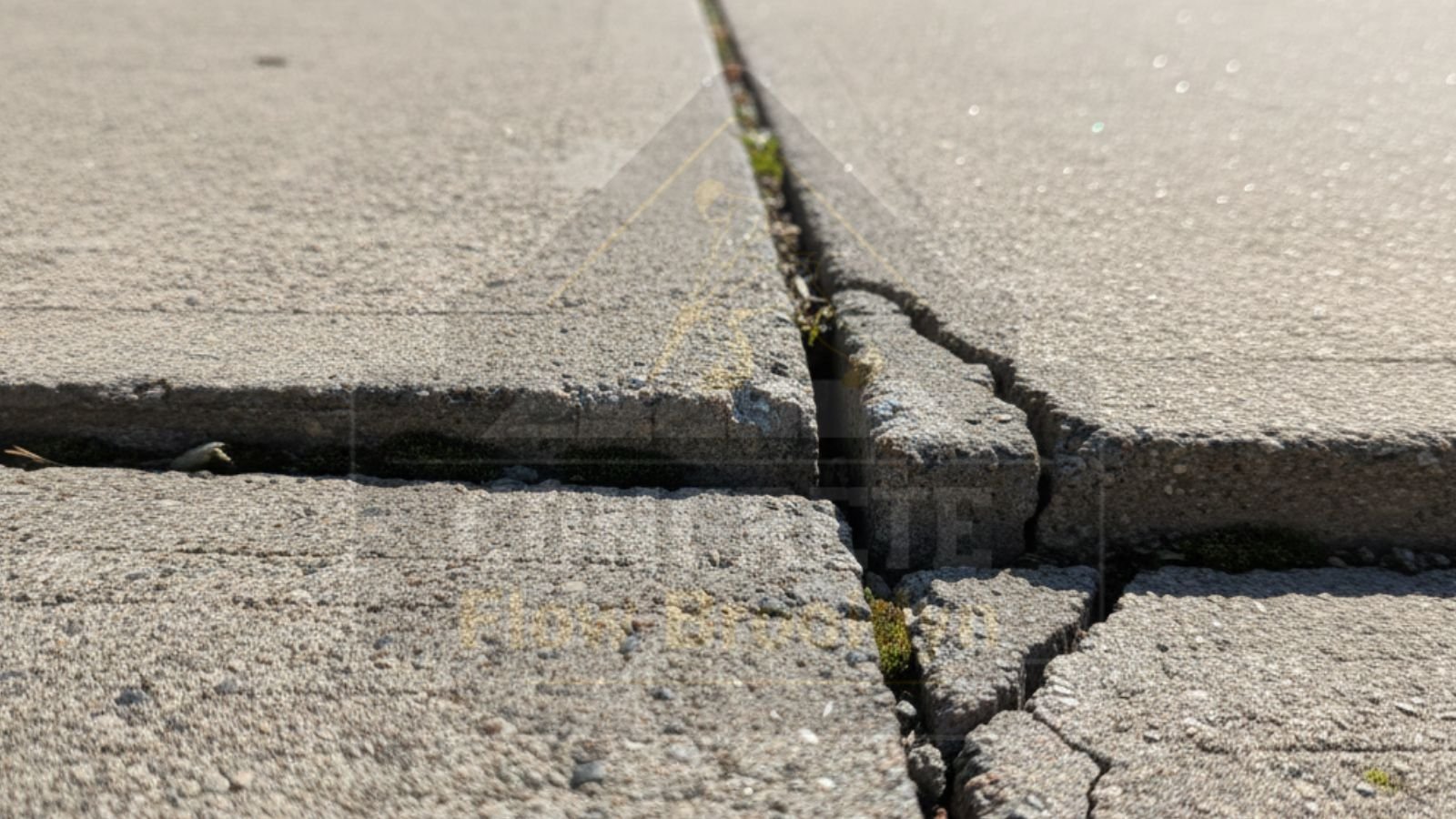
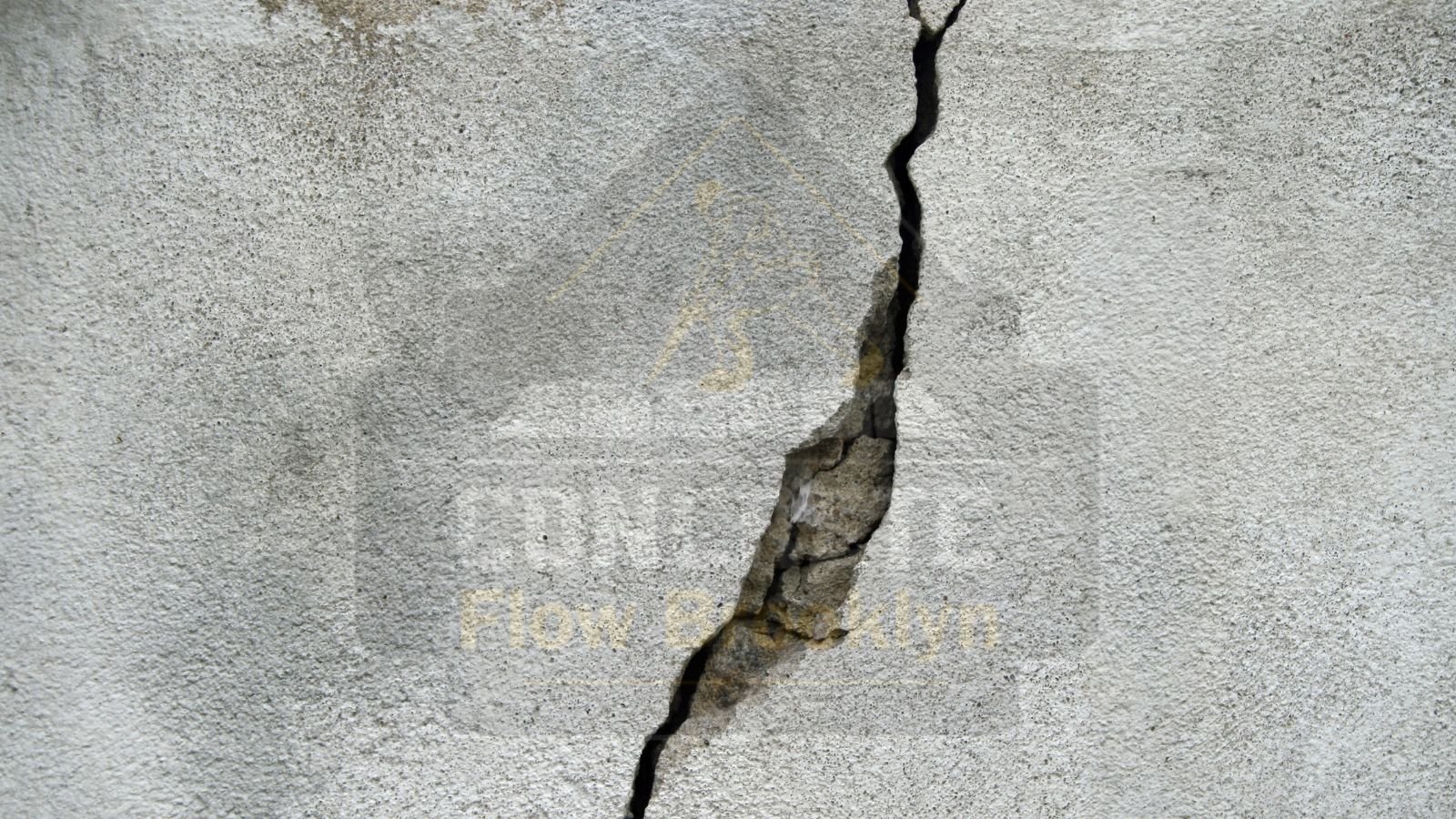
A Brooklyn sidewalk violation notice is issued after an inspection identifies unsafe walking conditions. Inspectors review common sidewalk violation types, including cracks, uneven pavement, holes, or lifted slabs caused by tree roots or soil movement. These hazards reduce pedestrian safety and may expose property owners to injury claims or municipal penalties. Each notice contains DOT violation details, including inspection findings, correction deadlines, and potential fines if repairs are ignored. Failing to respond on time can allow the city to complete repairs and bill the owner.
Information Included in a Violation Notice
Violation notices typically list the property address, inspection date, hazard description, and required correction period. They also outline enforcement consequences and financial responsibility if repairs are delayed or incomplete.
Why Property Owners Should Check Violation Status Regularly
Routine checks of Brooklyn sidewalk violations prevent legal surprises during property sales, refinancing, or renovations. Buyers, lenders, and attorneys often review open violations before approving transactions. Reviewing online records ensures owners stay informed about enforcement activity and required repairs. Early discovery typically reduces construction costs and allows more time to hire qualified contractors. Ignoring violations can increase fines, delay permits, and raise liability if pedestrian injuries occur near damaged sidewalks.
Risks of Leaving Violations Unresolved
Unresolved violations may trigger city repairs billed at higher municipal rates. Open records can block financing approvals and complicate property transfers.
Who Is Responsible for Sidewalk Repairs in Brooklyn?
In most cases, adjacent residential and commercial property owners are responsible for maintaining the sidewalk bordering their property, including one-, two-, and three-family homes as well as mixed-use and commercial buildings. Some limited exceptions may apply to tree-related damage or municipal infrastructure, which must be verified through official inspection records. For a clearer explanation of liability and compliance, see our guide on Who Is Responsible for Sidewalk Repairs in Brooklyn. Understanding this responsibility helps speed up permits, contractor scheduling, and violation removal while avoiding higher enforcement costs.
Exceptions to Owner Responsibility
City-owned trees or infrastructure defects may qualify for municipal repair programs, though approval depends on inspection findings and agency review.
Common Causes of DOT Sidewalk Violations in Brooklyn
Most sidewalk damage results from environmental pressures and long-term wear. Freeze-thaw cycles expand concrete in winter and cause cracks as temperatures rise. Tree roots frequently lift slabs, creating dangerous height differences. Water penetration weakens concrete and accelerates surface erosion. Heavy foot traffic, delivery vehicles, and aging materials further contribute to deterioration. These issues appear in Brooklyn inspection summaries maintained by city agencies.
Structural Damage Patterns Inspectors Look For
Inspectors evaluate trip hazards, surface separation, collapsed sections, and drainage-related erosion when determining violation severity.
How to Search Brooklyn Sidewalk Violations Online
Property owners can start a Brooklyn DOT sidewalk search using official city databases for public access. Searches can be done by property address or borough-block-lot number to verify open and closed violations.
Using NYC Open Data Records
Professionals often review the NYC Open Data sidewalk dataset to check enforcement history or confirm compliance. Applying Brooklyn-specific filters helps isolate active cases and inspection dates. Reports can be downloaded for legal review, contractor estimates, or property transactions. Results typically show violation status as open or closed, with inspection descriptions and correction deadlines.
Understanding Violation Reports and Inspection Records
Search tools provide detailed enforcement history linked to individual properties. Reports explain inspection findings, hazard descriptions, and repair timelines. Reviewing documentation ensures owners understand defect severity before construction. Clear records also support communication with contractors, attorneys, or insurance providers. Accurate interpretation reduces the risk of incomplete repairs or repeated enforcement actions.
Why Documentation Matters Before Repairs
Accurate reports ensure contractors address every cited defect, preventing failed inspections or continued violation status.
Permit Requirements and Legal Rules for Sidewalk Repair
Most sidewalk reconstruction or replacement projects require permits approved by NYC transportation authorities before work begins. Licensed and insured contractors must follow strict engineering specifications, accessibility standards, and pedestrian safety rules during construction.
Inspection and Compliance Process
Worksite inspections may occur throughout the project to confirm compliance with approved plans. A final inspection verifies restored sidewalk safety compliance before the violation can officially close in city records. Proper permitting prevents rejected repairs, repeat violations, and additional enforcement penalties.
Sidewalk Repair Costs in NYC for 2026
Sidewalk repair costs vary depending on damage severity, material replacement needs, permit requirements, and labor conditions. Minor crack repairs or small concrete patches remain significantly less expensive than full sidewalk reconstruction. Tree-root removal, structural rebuilding, or extensive slab replacement can increase equipment and labor expenses. Permit processing fees, inspections, and documentation also influence the final project budget.
Factors That Influence Total Price
Concrete thickness, accessibility, disposal requirements, and emergency scheduling can all raise overall construction costs. Detailed contractor estimates help property owners plan financially and avoid unexpected charges.
How to Fix and Remove a DOT Sidewalk Violation Quickly
Fast violation removal begins with hiring a qualified contractor familiar with NYC codes and inspection procedures. Professionals review DOT sidewalk violation details, evaluate site conditions, and secure required permits before construction starts. Repairs must meet city engineering standards to pass the final inspection. After approval, the violation status updates to be closed within official online sidewalk violation records. Efficient coordination between owner, contractor, and inspectors shortens project timelines and minimizes disruption to residents or pedestrians.
Final Clearance Steps
Completion confirmation, city inspection approval, and database status updates officially remove the violation from public records.
Preventing Future Sidewalk Violations
Preventive maintenance remains the most effective way to avoid repeated enforcement and costly reconstruction. Routine visual inspections help detect early cracks, drainage problems, or minor surface shifts before they become serious hazards. Monitoring nearby tree roots and water flow protects long-term concrete stability. Prompt small repairs maintain sidewalk safety compliance and reduce the likelihood of new violation notices. Consistent upkeep preserves property value, supports pedestrian safety, and ensures long-term compliance with evolving NYC regulations.
Long-Term Maintenance Strategies
Scheduled inspections, proper drainage control, and early concrete repair significantly extend sidewalk lifespan and reduce enforcement risk.
Conclusion
NYC sidewalk violations require prompt attention to maintain safety, legal compliance, and property value. Understanding how to perform a Department of Transportation sidewalk search, review online sidewalk violation records, and interpret DOT sidewalk violation details helps owners respond quickly and correctly. Timely repairs, proper permits, and professional construction ensure violations close without additional penalties or delays. Ongoing inspections and preventive maintenance reduce future risks, control long-term costs, and keep sidewalks aligned with city safety standards throughout 2026 and beyond.
FAQs:
What happens if I don't shovel my sidewalk in Brooklyn?
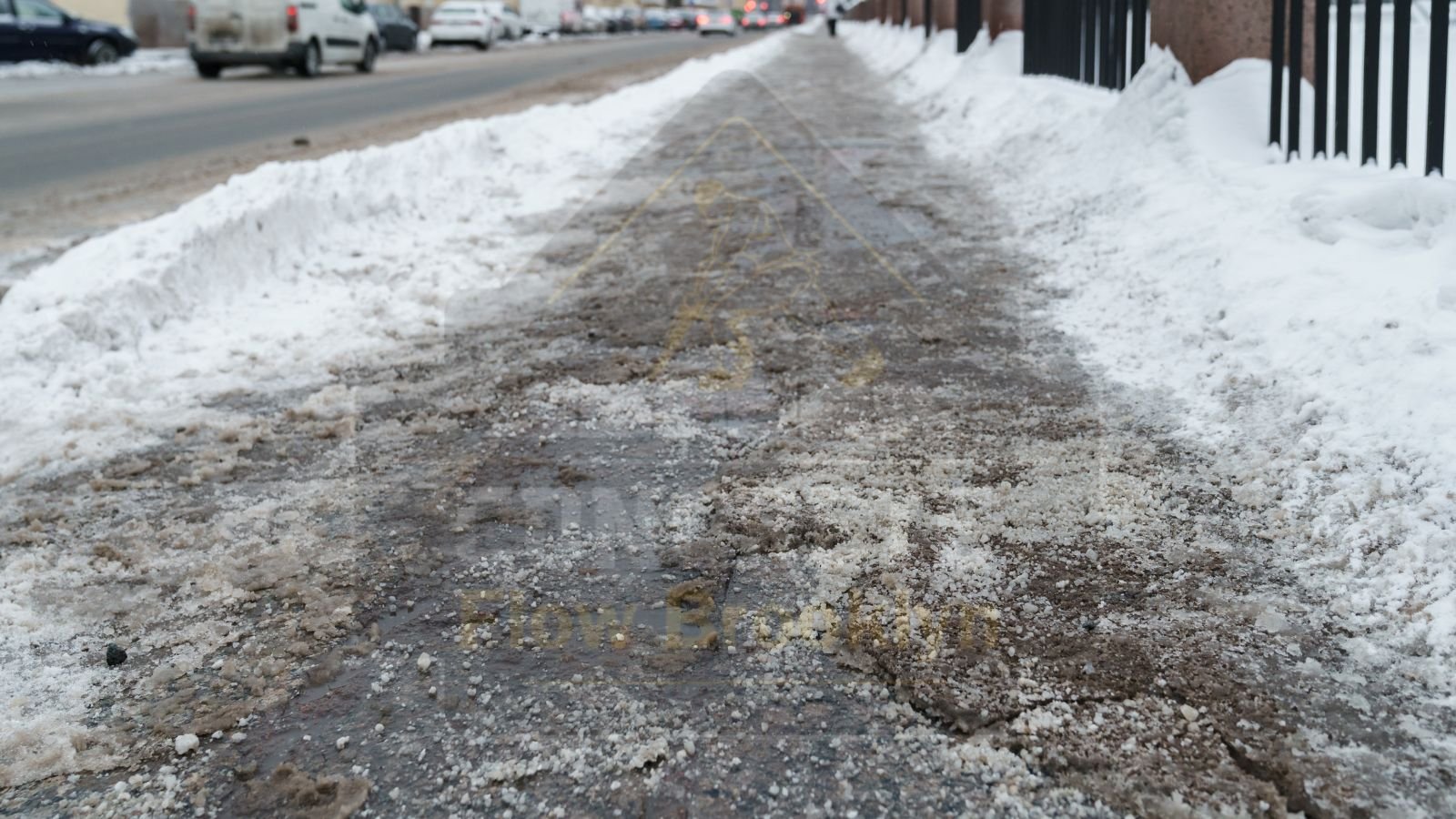
You may face fines from the Brooklyn DOT and increased liability if someone slips or gets injured.
Who is responsible for fixing sidewalks in Brooklyn?
Property owners are generally responsible for maintaining and repairing sidewalks adjacent to their building.
How do I clear a sidewalk violation in Brooklyn?
Hire a licensed contractor, complete the required repairs, and pass the DOT inspection to close the violation.
How do I report a dirty sidewalk in Brooklyn?
You can file a complaint online via the NYC 311 system or call 311 to report debris or sanitation issues.
Who is responsible for taking care of sidewalks in Brooklyn?
The adjacent property owner is responsible, though certain city-owned trees or infrastructure may be maintained by the city.