Should You Repair an Uneven Concrete Slab or Replace It Completely?
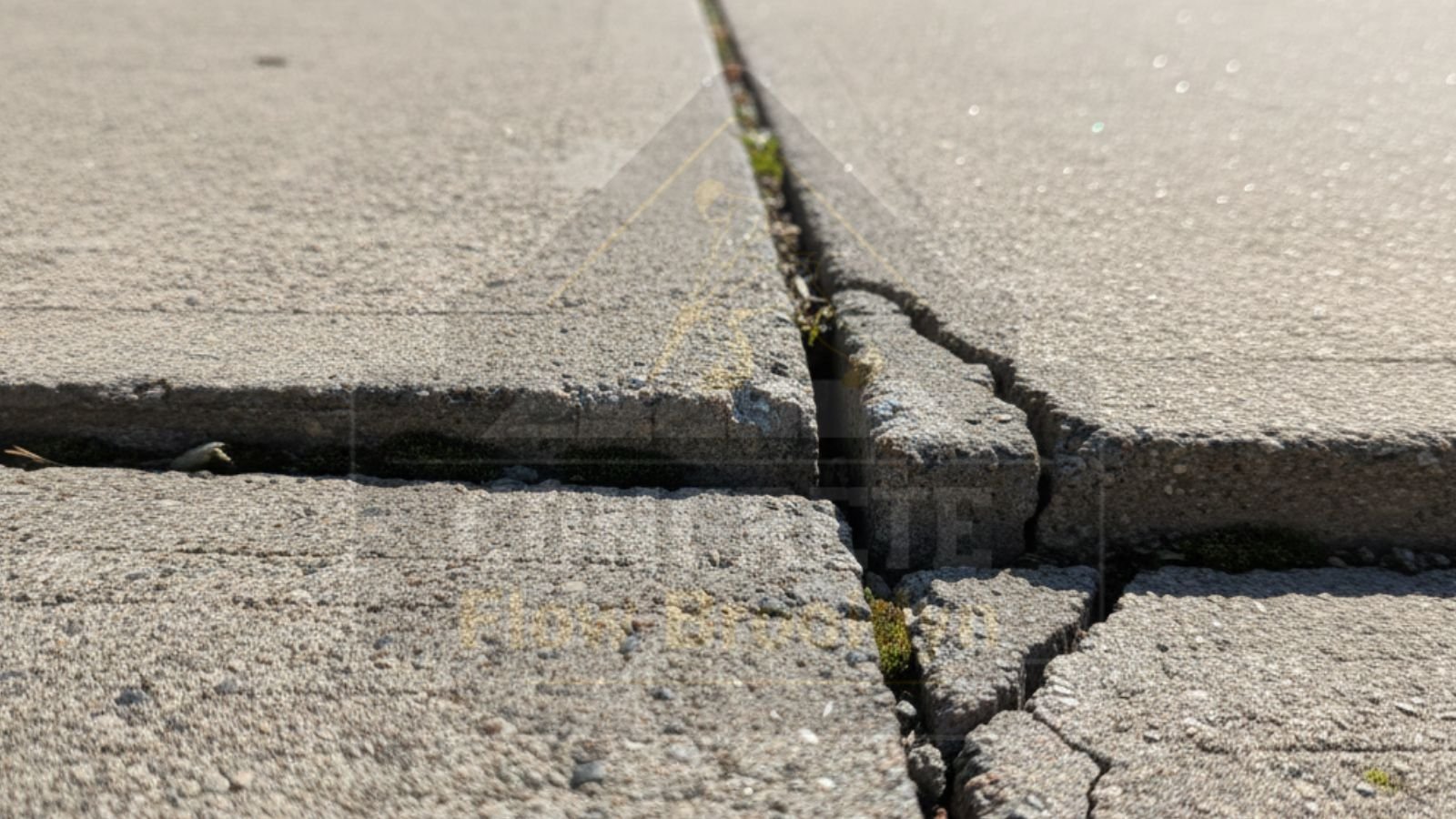
You should go for a repair if your concrete slab is still solid underneath, even if it has a few cracks. Fixing options, like lifting the slab or grinding the surface tend to be quicker, cheaper, and far less messy than ripping everything out. These fixes work especially well when the slab has shifted or sunk a little because the soil underneath moved, or when freeze-thaw cycles caused settling.
On the other hand, if the concrete is badly damaged, having big cracks, crumbling edges, or the slab has broken into large, uneven pieces, a simple repair won’t hold up. In this case, replacing the whole slab is the safest choice. When damage gets that deep, only a full rebuild offers durability and a stable surface for years to come.
At Concrete Flow Brooklyn, we’ve seen every kind of concrete damage you can imagine over the past twenty five years in this business. We totally get it, since it can feel confusing trying to decide what’s worth fixing and when you really need a full rebuild.
That’s why we put together this guide: to walk you through, step by step, how to spot when a slab just needs a repair… and when it’s time to give it a complete replacement.
Let’s get into it.
When to Repair an Uneven Slab
If your concrete looks a little tired but not completely defeated, repairs can save you money, time, and a lot of noise. Here’s when repairs make total sense:
Minor settling
Sometimes a slab dips a little because the soil underneath shifts. If the slab is still strong and hasn’t cracked all the way through, this is an easy fix. Leveling methods like mudjacking or polyurethane lifting push the slab back up so it’s flush and safe again. No demolition, no mess, just lift, fill, and done.
Many homeowners think they need a full tear-out for every uneven slab, but in reality, small settlements are one of the most repair-friendly issues you can have.
Surface wear
If the slab has light cracks, slight chipping, or discoloration, it doesn’t automatically mean the concrete is dying. As long as the structure is sound, you can fix these cosmetic or surface-level issues with patching, crack filling, or resurfacing.
A fresh overlay can make a 10-year-old slab look brand new, and you avoid the cost of breaking and pouring entirely new concrete.
Structural soundness
Here’s the big question: Does the slab still feel solid when you step on it?
- No hollow sounds
- No deep cracks
- No pieces breaking off
If the base is stable and the slab is fundamentally strong, a repair is not only safe but also the smartest long-term choice. You’re just correcting the symptoms, not battling a collapsing structure.
Overall, repairs are great when… You want a quick, affordable fix that makes the slab safe, level, and attractive without the noise, dust, and time commitment of a full replacement. Think of repairs as a targeted tune-up that stops small problems from growing bigger.
When to Replace the Slab Completely
Sometimes concrete hits a point where patching won’t save it. If the slab has gone beyond repair, replacement becomes more cost-efficient and more dependable over time.
Crumbling or spalling
If you can scrape concrete off with your hand or broom, or if the surface is flaking off layer by layer, that slab is structurally weak. Patching spalling concrete is like putting duct tape on a cracked windshield, as it may hold for a bit, but it won’t fix the real issue.
Weak concrete simply doesn’t have the strength to support repairs, so replacing it ensures you’re not throwing good money after bad.
Deep, widespread cracks
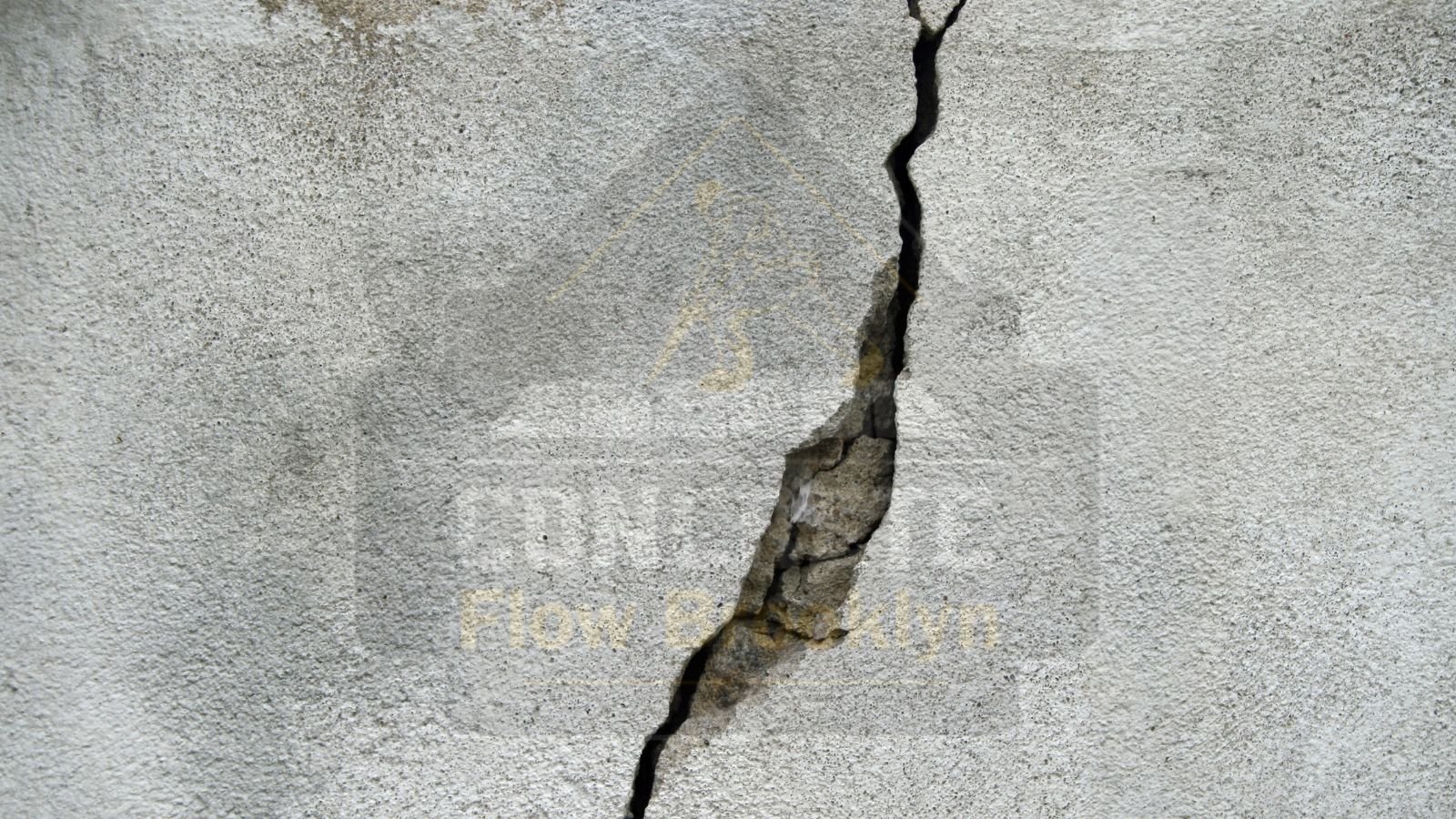
Tiny hairline cracks are normal. But large cracks that travel across the slab or multiple connected cracks across the surface tell you something more serious is happening, usually movement in the base or full structural failure.
When cracks run deep, filling them won’t stop the slab from shifting. A professionally done replacement gives you a fresh, stable base and a slab that won’t break again next season.
Structural or base failure
If the soil underneath has washed out, wasn’t compacted properly, or keeps shifting, then even the strongest concrete will fail. You can repair the surface a hundred times, but it will keep sinking or cracking.
Replacement allows contractors to rebuild the foundation with proper steps, including adding new compacted gravel, fixing drainage, and ensuring the next slab has proper support.
Age and heavy wear
Concrete has a lifespan. If your slab is decades old and has been patched over and over again, you eventually reach a point where replacing it is cheaper than continuing the band-aid approach.
New slabs last longer, look better, and can be poured with modern mixes that resist cracking and weather damage.
Replacement is best when… You want a long-lasting, safe, solid slab that won’t keep giving you trouble. It’s the full “engine overhaul,” meaning more work upfront, but fewer headaches later.
Why the Difference Matters
Choosing the wrong approach can cost you more in the long run.
- Repairing a slab that should be replaced only leads to more cracks, more sinking, and more trips back to square one.
- Replacing a slab that only needed a minor fix wastes money and causes unnecessary disruption.
So it’s a job best left to professional sidewalk contractors to inspect the condition and suggest what might be a good fit for your concrete slab. A deep inspection by an expert eye helps you avoid both extremes. The goal is always the same: get a safe, level, reliable slab without spending more than you need to.
Conclusion
Concrete slabs are durable, but they aren’t invincible. If the slab is only slightly uneven or has cosmetic imperfections, a repair is often the smarter, faster, and more wallet-friendly choice. But if the damage is deep, widespread, or tied to base problems, replacement is the only fix that truly lasts.
Think of repairs as quick, effective tune-ups and replacement as a full restart. Both have their place, and choosing the right one ensures your sidewalk stays safe and solid for years to come. And when in doubt, reach out to Concrete Flow Brooklyn and schedule a quick consultation with us. Our skilled team can help you understand exactly what your slab needs and which option gives you the best long-term value.