What are the Warning Signs Your Concrete Needs Restoration?
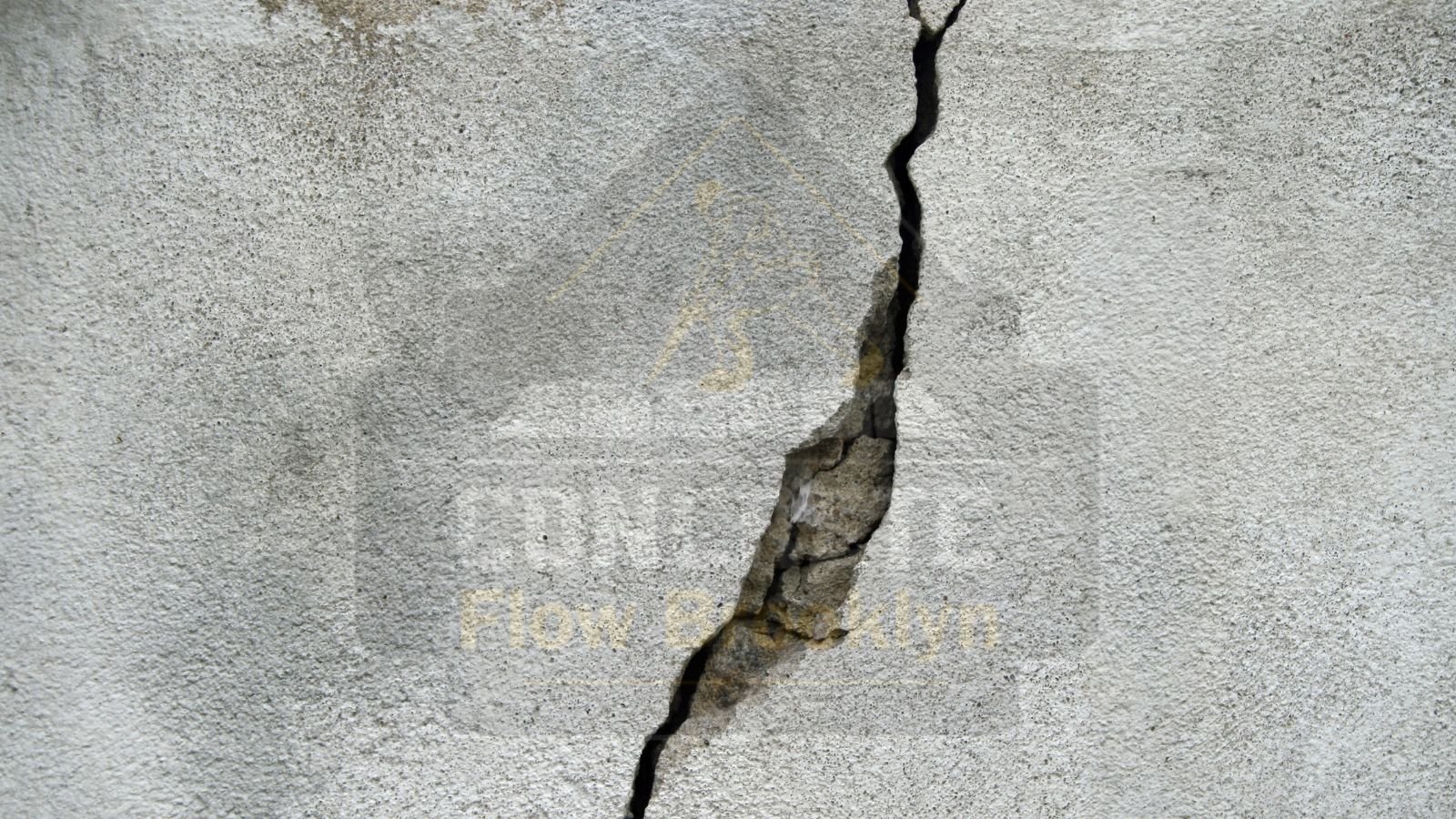
Concrete is one of those things we hardly think about until it starts giving us trouble. It’s under our feet every single day, holding up sidewalks, patios, driveways, and sometimes even parts of our homes. And while concrete is tough, it’s not invincible. Over time, weather, moisture, shifting soil, heavy loads, and simple wear and tear can start to break it down.
The good news? Concrete usually gives you clear early warning signs before things get serious. If you catch those signs early, you can save yourself money, stress, and potentially bigger repairs down the road.
Let’s walk through these warning signs one by one so you know exactly what to look for.
Common Warning Signs
Concrete problems don’t appear overnight. They start small, and if you catch them early, restoration is usually quick and affordable. Here are the everyday signs homeowners and property owners notice first.
Before we jump into the specifics, remember this: concrete almost never fails quietly. It shows changes on the surface, like cracks, discoloration, and uneven spots, long before the structure underneath is affected. That’s why regular checkups are so helpful. A five-minute walk around your property every few months can help you catch these early signs before they turn into expensive repairs.
Now let’s get into the details.
Cracks
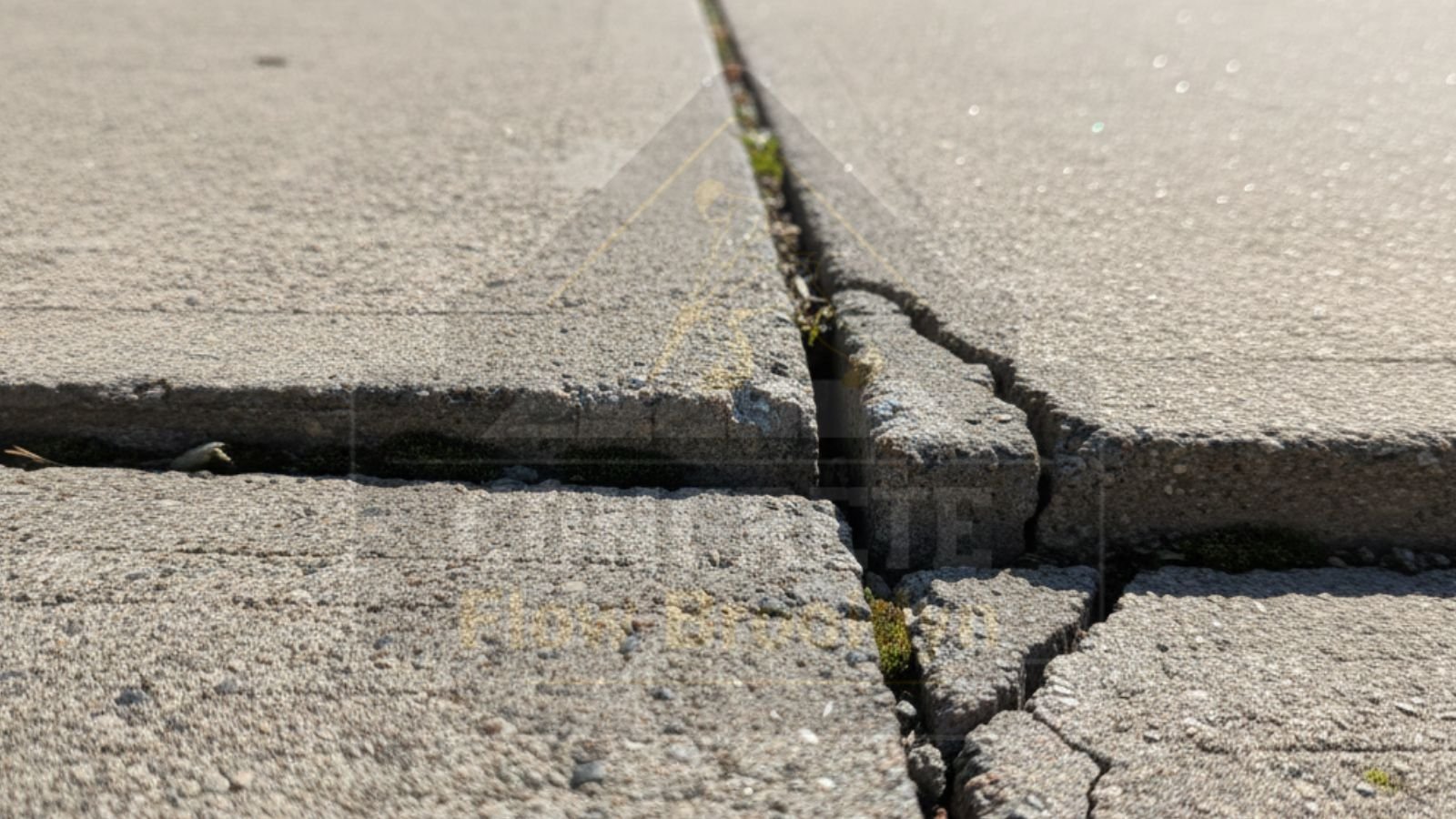
Some cracks are normal, you might see tiny, thin, hairline cracks on almost any slab, especially as concrete dries and settles. But the cracks you need to worry about are
- More than 1/4 inch wide
- Deep cracks you can fit a coin into
- Cracks that keep growing over time
- Cracks that change direction or look jagged
These usually point to bigger issues like shifting soil, pressure, or moisture sneaking underneath the slab. If you ignore these cracks, they can widen, break the slab into uneven pieces, or allow water to seep under the concrete and cause even more damage.
Uneven or Sunken Surfaces
Sometimes you walk across your driveway or patio and feel a slight dip under your feet. Other times, one slab sits lower than the rest, creating a step where there shouldn’t be one. And that’s another red flag your concrete is showing, when this happens, the problem isn’t the concrete, it’s the soil beneath it.
If the soil washes away or settles unevenly, the concrete above starts sinking or tilting. This can cause trip hazards, messy puddles, and damage to connected areas like your garage or front steps. Leaving it alone only makes the sinking worse over time.
Flaking and Spalling
Concrete is strong, but it doesn’t love water, especially when that water freezes. When the top layer of concrete begins to peel or chip away, you’re seeing spalling. It often starts slowly, with tiny flakes, then spreads across the surface like skin peeling off.
You’ll usually spot rough patches, loose chips, or areas that look like they’ve been sandblasted. Weather, salt, and old age make this worse. Once spalling begins, the slab becomes weaker and more vulnerable to deeper damage.
Stains and Discoloration
Some stains, like spilled oil or tire marks, are just cosmetic. They don’t hurt the concrete. But stains that keep coming back? Or stains that change color over time? Those could be signs of deeper issues:
- Rust stains might mean rebar is corroding under the surface
- White powdery marks (efflorescence) show that water is moving through the slab
- Dark, wet-looking spots staying for days means moisture is trapped inside
When concrete starts absorbing water instead of repelling it, its strength slowly breaks down.
Water Pooling
If water gathers on the surface long after the rain has stopped, the slab may be uneven or sinking. Concrete should naturally push water away. When that doesn’t happen, the water begins breaking down the material bit by bit.
Pooling water can also drain toward your home, which can eventually affect your foundation. It’s even riskier for your basement, crawl space, or foundation walls to be damaged. And once water finds a way under the slab, it creates bigger cracks and future sinking.
Structural and Hidden Signs
Not all concrete problems show up on the surface. Some issues start underneath or inside the slab, and the signs are a little more subtle. These structural clues can tell you that something deeper is going wrong.
Before diving in, here’s the key thing to remember: when concrete starts affecting how your home’s structure works like doors, windows, and walls, that’s a sign the problem is bigger than the surface. These hidden signs should never be ignored.
Exposed or Corroded Rebar
Inside many concrete slabs is a skeleton of steel bars known as rebar that keeps everything strong. When water reaches these bars, they start to rust. Rust expands, and that expansion causes cracks, bulges, and even small explosions of concrete on the surface.
If you see reddish-brown streaks, spots where steel is showing, or cracked areas with rusty edges, it means the reinforcement inside is deteriorating. This is one of the more serious warnings, especially in driveways, foundations, porches, or steps, because rebar damage spreads from the inside out.
Sticking Doors or Windows
Your concrete may not be directly touching your doors or windows, but your foundation does. If concrete connected to the foundation is shifting or settling unevenly, the structure above it may twist just enough to jam doors or windows.
If you suddenly need extra force to open a door or your windows scrape or stick, it could mean:
- The concrete foundation is settling
- A slab near the structure is moving
- Moisture is affecting soil beneath your home
This is one of the most overlooked warning signs of all and ignoring it can lead to severe structural damage down the road.
Hollow Sound
This is a simple test you can do yourself. Tap a metal tool or even the end of a screwdriver on different parts of the slab.
If the concrete sounds solid, it’s likely in excellent shape. But if the surface sounds hollow, almost like tapping a drum, then there may be an empty space under the slab.
These voids form when soil erodes or when the concrete separates from the ground below. A hollow sound usually means the slab is no longer fully supported and could crack or sink soon.
Chipping at Edges
If the edges of your concrete walkway, steps, or driveway start chipping away, it’s often a sign of stress or erosion. Sometimes it’s caused by regular wear, but it can also indicate deeper issues like:
- Weak concrete mix
- Freeze-thaw damage
- Heavy vehicle loads
- Soil movement under the slab
Once edges crumble, moisture gets inside the slab, and the damage can worsen quickly because they carry most of the weight and take the most impacts.
Weeds or Plants Growing Through Cracks
When a plant pushes through a crack in your concrete, it’s not just a gardening problem, but it’s a structural one. A weed can’t grow unless the crack is already wide and deep enough for soil and water to get inside.
This means the slab is no longer sealed. Water is freely entering, and every rainfall will push the crack further open. The plant is just there to show you what’s happening underneath.
Conclusion
Concrete might be strong, but it has its limits. The real question isn’t whether concrete will wear out, it’s when and how much. The key to avoiding major repairs or costly replacements is simple: pay attention to the early warning signs.
From cracks, sinking spots, and spalling to stains, pooling water, and sticking doors, they all might look small today but almost always point to something happening underneath the surface. And the earlier you catch these issues, the easier and cheaper it is to fix them.
Whether it’s your driveway, patio, sidewalk, or foundation, restoring your concrete at the right time with the help of the professional sidewalk contractors protects your property, keeps your home safe, and saves you money in the long run. If you notice any of these signs, don’t wait. A small repair today could prevent a big headache tomorrow.